
How to Sell Your Old House in Denver, CO
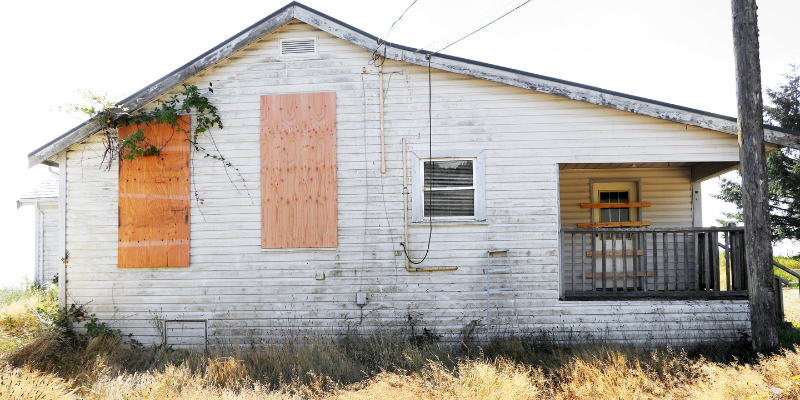
Denver’s housing market has a strong appetite for character, with many buyers actively seeking homes that stand out from cookie-cutter new construction. In this environment, a 1950s ranch in areas like Park Hill isn’t necessarily a drawback but can be a major advantage when positioned correctly. The median home price in Denver reached about $575,000 in late 2024, and older homes in established neighborhoods often sell at a premium when they’re marketed and priced strategically rather than generically. The key takeaway from decades of local real estate experience is that every older home has multiple viable selling paths, and the difference in outcome usually comes down to choosing the right approach based on condition, timing, and financial goals rather than relying on luck.

Understanding Denver Property Values for Houses Built Before 1980
Pre-1980 homes make up nearly 60% of Denver’s housing stock, and these properties continue to define neighborhoods like Highlands, Congress Park, and Glendale with a level of character that newer construction often cannot replicate. But charm comes with considerations. Homes built in the 1940s and 1950s commonly face foundation concerns, outdated electrical systems, and aging cast iron plumbing. These issues are not necessarily deal-breakers, but they do influence pricing and buyer confidence. I’ve seen 1920s bungalows in Berkeley sell for $750,000 because buyers fell in love with original hardwood floors and built-in china cabinets, while similar homes struggled at $450,000 because sellers ignored obvious repairs. The difference usually comes down to understanding what buyers value versus what they fear. Vintage Denver homes also tend to appreciate faster than newer suburban properties because location continues to drive demand. A 1965 split-level in Stapleton sits on land that is becoming increasingly scarce, while a newer build in Commerce City may compete against hundreds of nearly identical floor plans.
Best Time to Sell an Older Home in Denver Real Estate Market
Spring is not always the best time to sell an older home in Denver because the timing is often determined by the condition of the property rather than the season. Move-in ready vintage homes sell well from March to June, when families are looking for character-filled homes and can envision hosting holidays in a formal dining room or spending summer evenings on a covered porch. Fixer-uppers are a completely different story. Investors and house flippers buy year-round because they are more concerned with potential profit than emotional appeal or school schedules. In fact, many distressed property sales occur between January and February, when serious buyers are actively looking for opportunities. Weather has little impact when selling as-is because experienced investors evaluate foundation issues, electrical systems, and repair costs regardless of snow or cold temperatures. Fall is also an excellent time to sell older homes in desirable Denver neighborhoods because buyers looking in September and October are often motivated to close before winter, creating a stronger sense of urgency for sellers.
Pricing Strategies for Vintage Properties in Colorado’s Capital City
Pricing older homes requires precision because even small miscalculations can significantly affect buyer interest and final sale price. Price too high, and the home may sit on the market while buyers assume hidden problems exist. Price too low, and you risk leaving substantial money on the table. Comparable sales are important, but surface numbers only tell part of the story. A 1955 ranch in Montclair may have sold for $625,000, but details like updated electrical systems, a newer roof, or refinished original hardwood floors can easily shift value by $50,000 or more. For vintage homes, buyers pay close attention to the condition of major systems alongside the property’s character and charm.
A practical pricing strategy for older homes typically falls into three categories. Move-in ready properties can typically be priced at or slightly higher than recent comparable sales because buyers are willing to pay a premium for character without immediate repair concerns. When major systems have been updated, a well-maintained 1940s Tudor in neighborhoods such as Hilltop or Cherry Creek North can fetch a high price. Homes that require cosmetic improvements are typically priced 10-15% lower than comparable move-in ready homes to account for expected costs for paint, flooring, or fixtures. Properties with significant structural or system issues are frequently priced closer to land value plus minimal improvement costs, attracting investors familiar with renovation economics. Location also plays an important role in determining value. A 1960s ranch in Washington Park will fetch a much higher price than a comparable home in Green Valley Ranch, because buyers of vintage homes value neighborhood character and long-term desirability just as much as the house.
Common Inspection Issues in Older Denver Houses and How to Address Them
Every older home inspection has a story to tell, and after looking at thousands of reports throughout Denver, some issues come up again and again. Electrical systems are usually high on the list, especially in homes built before 1970 that may still have their original wiring. Even if they are working fine buyers worry about knob-and-tube systems. Panel upgrades can cost $2,000 to $4,000 and take away a big negotiation hurdle. Plumbing is another frequent problem. Corrosion of cast iron drain lines and significant pressure drops due to galvanized supply lines. A full replacement of the main line can cost from $8,000 to $15,000, but a little planning of partial updates can boost buyer confidence without a total redo. Older homes also garner attention for their HVAC systems, many of which were built to older efficiency standards. Boilers and radiators in the original condition can be very efficient, but those who are new to buying a home with hydronic heat may be hesitant to proceed without seeing maintenance records that are recent.
Roofing, windows, and foundations are also critical components of older Denver homes to inspect. Older single-pane windows are less energy efficient than newer double-pane windows. Replacing them all can cost between $800 and $1,200, but it’s usually more cost-effective to fix the worst spots before listing the house. Homes built on expansive clay soils move more over time, but this is not always the case and can vary depending on the soil conditions in the area. Small cracks are common in older homes, but signs of active settling usually necessitate the services of a professional. Asphalt shingles can be worn down by the Colorado climate in 20 to 25 years, so roofing is an important consideration. By replacing a roof before listing your home, you can increase its value, build trust with potential buyers, and avoid drawn-out repair negotiations.
Essential Home Repairs Before Selling Your Denver Fixer-upper
Not every repair is worth doing before selling an older home, because some upgrades cost much more than they add in value. Smart pre-sale improvements focus on safety, functionality and good first impressions, not expensive full remodels. Safety issues such as electrical problems, gas leaks and structural issues should always be addressed first, because they can quickly derail inspections and negotiations. Functional problems like leaking roofs, broken HVAC systems or plumbing issues also deserve priority, because buyers will forgive outdated finishes but they won’t forgive issues that affect their daily lives. In older homes, cosmetic updates often offer the best return on investment. Adding new paint in neutral colors can really boost perceived value without major costs, and refinishing original hardwood floors can help highlight one of the home’s best features. Most kitchen and bath renovations don’t recoup their full cost before you sell, so stick to inexpensive fixes like deep cleaning, painting cabinets, or replacing broken fixtures to get the most bang for your buck. Curb appeal counts too because the buyers are forming opinions before they even walk in. Clean landscaping, fresh exterior trim paint, and a well-maintained driveway can make a positive first impression that lasts the duration of the showing experience.
Renovate vs Sell As-is: Financial Analysis for Denver Homeowners
Ultimately, the decision to renovate or sell an older home as-is comes down to financial reality, not emotion. Be honest in calculating renovation costs and then add 20% for contingencies. Older homes often hide plumbing, electrical or structural surprises behind walls and under floors. Then compare the market value of renovated homes with similar as-is properties to see if the potential profit really exceeds renovation costs, carrying costs and months of added stress. And also timeline and individual circumstances. If you need to sell quickly due to a move, a divorce, an inheritance or financial pressure then selling as-is may be the more practical option. Denver real estate investors like New Era Home Buyers buy older homes in as-is condition so sellers can avoid the risks and delays of renovations. Also, you should take into account the opportunity cost because the money you spend on renovations is money you can no longer invest elsewhere. You may actually be better off taking $400,000 now as-is than spending the next six months and thousands of dollars on a potential $450,000 sale. “The decision is also dependent on market conditions. In hot seller’s markets, buyers are competing over limited inventory regardless of condition, whereas in slower buyer’s markets, updates to a home tend to garner more attention and stronger offers.
Legal Requirements for Selling Older Homes in Colorado
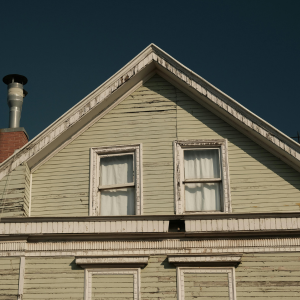
Colorado’s disclosure laws are intended to protect buyers, but they also place significant burdens on sellers, particularly when dealing with older homes. When a property was built before 1978, federal law requires lead disclosure. The seller is required to provide certain forms and receive acknowledgments from the purchaser. Simply stating that you don’t know if there is lead paint isn’t enough, which is why many homeowners choose to have the home professionally tested for added legal protection. Asbestos is another common concern, as it can be found in older flooring, insulation, and siding materials for homes built between 1930 and 1980. Colorado does not require asbestos testing, but sellers are required by law to disclose any known asbestos or other environmental hazards.
Older homes can also pose problems with unpermitted alterations, environmental conditions and wider property disclosures. Electrical and plumbing work that was done 20 years ago may not be up to current building codes, especially if the previous owners have done DIY updates without permits. It is often necessary to declare known unauthorised works as this can affect financing, inspections and negotiations with buyers. Older homes are also more likely to have environmental issues, such as radon, underground storage tanks or contaminated soil, that may be required to be disclosed if you know about them. Colorado property condition disclosure laws are extensive and sellers are required to disclose any known defects that may affect the home’s value or desirability. The key issue is knowledge. But knowing problems exists and ignoring them does not remove legal culpability.
Disclosure Requirements for Older Properties in Denver County
Denver County follows Colorado state disclosure laws, but there are also local considerations that sellers of older homes need to understand to avoid complications at closing. Known foundation issues must be disclosed including settlement cracks, water intrusion and past structural modifications. Many sellers opt for professional inspections to document these conditions because thorough records can help protect both buyers and sellers during negotiations. Water damage and flood history must also be disclosed regardless of when the problem happened. Older homes are likely to have a long history of repairs such as basement flooding, roof leaks or broken pipes, which may affect a buyer’s willingness to purchase and how much maintenance will be needed in the future.
Other neighborhood-related factors may also need to be disclosed if they have an impact on the property’s livability or value. People purchasing older homes in Denver may have to contend with noise from airport flight paths, nearby railroad tracks, heavy traffic, or commercial activity adjacent to residential neighborhoods. Another possible disclosure is the history of insurance claims, particularly if it has an impact on future insurability, as in homes with multiple claims for roof damage, water intrusion, or structural repairs. With older homes, the previous use of the property can be extremely important. If the property was previously used for farmland, commercial, or industrial purposes, there may be concerns about soil contamination or environmental hazards that necessitate additional testing before the sale can be completed.
Home Staging Tips for Historic and Older Denver Neighborhoods
Staging older homes is not the same as staging new construction because buyers are drawn to vintage properties for their character and architectural charm, not a totally blank slate. Instead of concealing the original details, showcase the crown molding, hardwood floors, built-ins and period fixtures. These are often the very things that set older homes apart. Lighting is also a big consideration as many vintage homes have less windows and lower ceilings than modern homes. Adding table lamps, floor lamps and updated light fixtures can help darker spaces feel warmer and more inviting. Furniture size is equally important as oversized sectionals and bulky entertainment centers can overwhelm the smaller rooms found in older homes. Scaled furniture helps buyers visualize the flow and function of the home.
At the same time, staging should help neutralize features that may distract or overwhelm buyers. Bold wallpaper, unusual paint colors, and heavily dated fixtures can sometimes overshadow the home’s architectural appeal, so simple cosmetic updates often create broader buyer interest without stripping away the property’s personality. Storage solutions should also be highlighted because closet space in older homes is often more limited than in newer construction. Armoires, built-in shelving, and creative organization ideas can help buyers visualize practical everyday living. Comfort matters as well, especially in homes with original HVAC systems or inconsistent temperature control. Maintaining comfortable indoor temperatures during showings and using supplemental heating or cooling when necessary can make a significant difference in how buyers experience the property.
Marketing Your Vintage Denver Home to the Right Buyer Demographics
Knowing why different types of buyers are attracted to older homes can help to better target the marketing of these homes. When marketing to first-time homebuyers, stress the house’s solid “bones” and obvious improvement potential. First-timers often seek out older homes because they’re more affordable and have more character. These buyers will make cosmetic changes but they still want homes with good structural fundamentals. Move-up buyers tend to be more experienced and are often interested in established neighborhoods with vintage features, so architectural character and proximity to local amenities are important selling points. Many empty-nesters prefer older homes in walkable neighborhoods because they place more value on location, convenience and proximity to cultural attractions, restaurants and public transportation than square footage. Investors and home flippers need good comparable sales data and obvious improvement potential, because they look at properties mostly from a financial standpoint—purchase price, renovation costs, after-repair value, and the like. Since out-of-state buyers relocating to Denver often prefer older neighborhoods with character and charm, and they do extensive research online, it is important to have professional photography and virtual tours to grab their attention before they come to visit in person.
Cash Buyers vs Traditional Sales for Aging Denver Properties
Being aware of the benefits of selling to cash buyers can help homeowners choose the right strategy especially when selling older homes rather than new construction. For sellers in financial distress, estate settlements, or relocation, the speed of a cash transaction is the most important factor. Cash transactions usually close in two to three weeks compared to the thirty to forty days common with financed purchases. And being able to sell it as-is to a cash buyer means no negotiating on repairs and financing contingencies that can kill a deal. The other great advantage is the security it gives you. To assist sellers through the process, they often offer more flexibility on closing dates or even lease back agreements. The price is normally less than full retail value because buyers often include renovation costs and profit margins in their cash offers. These economics drive offers from companies such as New Era Home Buyers. Another factor is the market. If the market is hot, cash offers may be close to the market value, but if the market is slow, the discount may be wider as the buyer has more leverage.
Alternative Selling Methods for Distressed Older Homes in Denver
Distressed properties often require more creative selling strategies because traditional listing methods can struggle when a home needs significant repairs or is under financial pressure. Auction sales are one option that can work well for severely distressed properties or estate situations, since professional auction companies market directly to investor groups who understand renovation costs and compete through bidding, creating urgency and potentially faster sales. Owner financing is another alternative that can open the door to buyers who can’t qualify for traditional mortgages, allowing sellers to receive monthly payments with interest while expanding the pool of potential buyers. Lease-option agreements follow a similar idea, giving tenants the ability to rent now and purchase later, which can help when buyers need time to secure financing or when sellers want steady rental income while keeping a path to sale open.
Wholesale transactions are also common with distressed homes, where sellers transfer the contract to investors who then resell the property, prioritizing speed and certainty over top-dollar pricing. These deals are often used in urgent situations like foreclosure risk because they provide fast liquidity even when the property is not in retail-ready condition. iBuyer programs from companies like Opendoor also exist in Denver, offering quick cash-like offers, but they typically focus on newer or more standardized homes. Properties with significant character, age-related repairs, or unique conditions often fall outside their pricing models, making them less suitable for many older or distressed homes.
Attracting Investors and House Flippers to Your Denver Property
Real estate investors evaluate properties differently than traditional homebuyers. Understanding investor motivations helps position older homes for this market segment.
Investors focus on numbers: purchase price, renovation costs, and after-repair value. They need properties where total investment (purchase plus improvements) leaves room for acceptable profit margins. Typically, investors target 20-30% profit margins on flip projects.
Location drives investor interest more than property condition. Investors prefer established neighborhoods with strong resale markets. Areas like Park Hill, Congress Park, and Highlands attract investor attention because renovated homes sell quickly to end buyers.
Renovation potential matters more than current condition. Investors see possibilities where homeowners see problems. Properties with good bones but cosmetic issues offer the best profit potential for house flippers.
Pricing for investor sales requires understanding renovation costs and after-repair values. Investors work backward from expected sale prices, subtracting renovation costs and profit margins to determine maximum purchase offers.
Marketing to investors requires different approaches than consumer marketing. Investors respond to factual information about square footage, lot size, zoning, and comparable sales data. Emotional appeals about character and charm matter less than financial metrics.
Professional presentation still matters for investor sales. Clean, well-lit photographs and detailed property information help investors evaluate opportunities quickly. Investors review many properties and appreciate efficient information presentation.
Negotiation Strategies for Older Home Sales in Colorado Markets
Negotiating older home sales requires addressing buyer concerns while protecting seller interests. Experience with vintage property transactions provides advantages in these negotiations.
Inspection negotiations are inevitable with older homes. Smart sellers prepare for common issues by obtaining pre-inspection reports or contractor estimates for known problems. This preparation allows proactive pricing rather than reactive concessions.
Repair credit negotiations often work better than requiring specific repairs. Buyers can choose contractors and oversee work quality when they receive credits at closing. Sellers avoid coordination hassles and potential liability for repair quality.
Timing flexibility can offset price concessions. Older home buyers often need extra time for financing approvals or inspection contingencies. Sellers who can accommodate extended closing periods may receive higher offers.
Multiple offer situations require careful evaluation beyond price. Cash offers with quick closings might net more money than higher financed offers with extensive contingencies. Consider total transaction costs and probability of successful closing.
Backup offer strategies protect sellers when primary contracts face challenges. Older homes have higher rates of inspection issues that can derail deals. Having backup offers ready prevents starting over if primary buyers withdraw.

Closing Process Considerations for Vintage Denver Real Estate
Closing older home sales involves additional considerations that don’t affect new construction transactions. Preparation prevents last-minute complications that can delay or cancel closings.
Title issues occur more frequently with older properties. Previous owners may have made modifications without proper permits or easement documentation. Title companies need extra time to research and resolve vintage property issues.
Insurance requirements can complicate older home closings. Some insurance companies restrict coverage for homes with original electrical, plumbing, or roofing systems. Buyers should secure insurance commitments early in the transaction process.
Final walk-through inspections require extra attention in older homes. Systems that worked during initial inspections can fail between contract and closing. Sellers should maintain properties carefully during the closing period.
Appraisal challenges can arise when older homes have unique features or limited comparable sales. Appraisers need time to research similar properties and understand vintage home values. Complex appraisals can delay closing schedules.
Code compliance issues sometimes surface during closing preparations. Unpermitted work or code violations can require resolution before title transfer. Sellers should address known compliance issues before listing properties.
Tax Implications When Selling an Inherited Older Home in Colorado
Inherited older homes carry special tax considerations that affect selling strategies. Understanding these implications helps maximize after-tax proceeds from estate property sales.
Stepped-up basis rules provide significant tax advantages for inherited properties. The property’s tax basis adjusts to fair market value at the time of inheritance, potentially eliminating capital gains taxes on appreciation that occurred during the previous owner’s lifetime.
Holding period requirements don’t apply to inherited properties. Inherited real estate qualifies for long-term capital gains treatment regardless of how long heirs own the property before selling.
Estate tax considerations affect high-value inherited properties. Colorado doesn’t impose state estate taxes, but federal estate taxes may apply to large estates. Professional tax advice becomes essential for valuable inherited properties.
Depreciation recapture applies if inherited properties were used as rental investments. Previous depreciation deductions must be recaptured as ordinary income when properties are sold, even by heirs who never claimed the deductions.
Multiple heir situations require careful tax planning. Joint ownership can complicate tax reporting and create different tax consequences for each heir. Legal and tax professional guidance helps navigate complex inherited property sales.
FAQs:
What Is the 3 3 3 Rule in Real Estate?
The 3 3 3 rule suggests spending no more than 3 times your annual income on a home, putting down at least 3% as a down payment, and keeping monthly housing costs under 30% of gross income. This guideline helps buyers avoid overextending financially, though Denver’s higher home prices sometimes require adjusting these ratios. For older homes, factor in potential repair costs when calculating affordability.
Can I Sell My House Without a Realtor in Colorado?
Yes, Colorado allows for-sale-by-owner transactions without real estate agent representation. You’ll handle marketing, showings, negotiations, and paperwork yourself, which can save commission costs but requires significant time and knowledge. For older homes with potential complications, professional guidance often proves valuable even if you start the process independently.
What Month Is the Hardest to Sell a House?
December typically presents the most challenging selling conditions due to holiday distractions and winter weather limiting buyer activity. However, serious buyers who shop in December often have urgent timelines and less competition, potentially leading to quicker sales. For older homes needing repairs, winter sales to investors can actually work well since they’re less concerned with seasonal factors.
Are Denver Homes Losing Value?
Denver home values have shown resilience with continued appreciation in most neighborhoods, though the rate of growth has moderated from peak pandemic levels. Older homes in established neighborhoods often maintain value better than newer construction in outlying areas due to location advantages and character appeal. Market conditions vary by neighborhood and price range, making local expertise essential for accurate valuations.
Look, selling an older home doesn’t have to feel like solving a puzzle with missing pieces. You’ve got options, and you’ve got value in that property whether it needs work or not.
If you want to explore what your house might be worth in the current market, or if you’re curious about selling without the hassle of repairs and showings, we’re here to help. New Era Home Buyers has been working with Denver homeowners for years, and we understand what older homes are really worth.
No pressure, no obligation. Just honest answers about your options and what makes sense for your situation. Sometimes that’s a traditional sale, sometimes it’s a direct purchase, and sometimes it’s just good information that helps you make the right choice.
Your house has been waiting patiently. Now it’s time to give it the send-off it deserves.
More Ways New Era Home Buyers Can Help
- Sell a House For Sale by Owner
- How to Sell a House with Structural Damage
- Sell a Rental Property with Tenants in Place
- How to Sell Your Old House
- Sell a Fire-Damaged House
- Sell A Hoarder House
- Sell a House During Divorce
- Sell a House in Foreclosure
- Sell an Inherited House
- Sell Your Water-Damaged House
- Selling a House in Probate
- What Happens If I Don’t Pay HOA Dues
- How to Choose The Best Cash Buyers in Your Local Market
- What Happens When You Don’t Pay Property Taxes on Your Home

⚡ Get A Fair Cash Offer For Your Denver House And Close in Days ⚡
"*" indicates required fields