
How to Sell a House with Structural Damage in Denver, CO
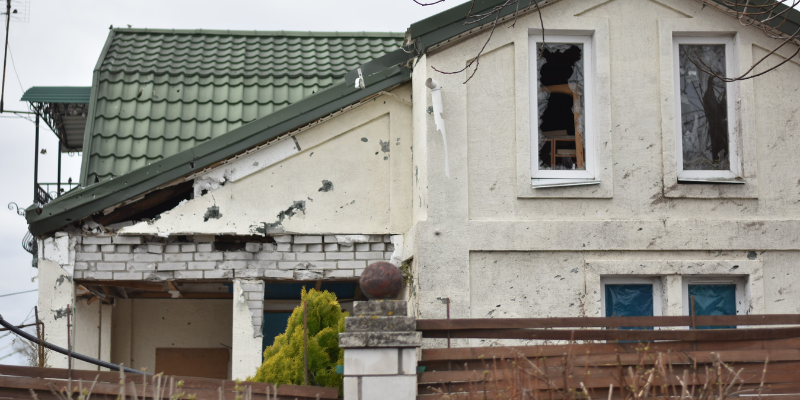
Walking through a Denver home and hearing that telltale creak in the floor, spotting a fresh crack running down your basement wall, or noticing a front door that sticks more each day are not just minor annoyances, they can be early warning signs of structural damage. I’ve been buying houses across the Front Range for over a decade, and structural issues are more common than most homeowners realize. Thousands of homes along the Front Range with foundation concerns change hands every year, and the key is understanding your options and choosing the path that fits your situation. Living in Denver also comes with unique environmental challenges that contribute to these problems, including expansive clay soils, freeze-thaw cycles, and dramatic weather shifts that put constant stress on foundations. The Colorado Geological Survey has documented that expansive soils cause more property damage in Colorado annually than floods, tornadoes, and earthquakes combined, with estimated losses exceeding 15 billion dollars since records began, which highlights both the scale of the issue and the fact that many homeowners across the region are dealing with similar challenges.
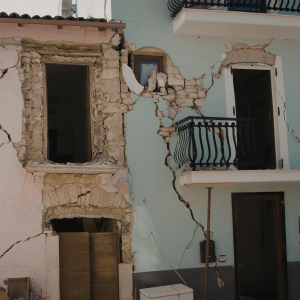
Denver Real Estate Market for Properties with Foundation Issues
The Denver real estate market has been showing some interesting patterns lately. While the median sale price sits at $599,000 (up 2.61% year-over-year), the real story lies in the market’s pace. Homes are moving in just 47 days, inventory stands at only 1.25 months of supply, and properties are selling for 98.7% of asking price.
But here’s what most agents won’t tell you: these numbers don’t apply to structurally damaged homes. Properties with foundation problems, structural defects, or major damage face a completely different reality. Foundation problems can lower a home’s value in the real estate market. Structural issues related to foundation damage often lead to a drop in value during property appraisal.
Properties with structural damage in Denver’s market essentially swim upstream. Traditional homebuyers often hesitate or can’t get financing for foundation-damaged properties. Most conventional buyers are looking for move-in-ready homes, and structural issues immediately take your property out of that category.
However, there’s a silver lining. Properties with foundation issues in the Denver metro typically attract investor interest quickly. Cash buyers and real estate investors understand these problems and factor them into their offers rather than running away from them.
Structural Damage Assessment Before Selling Your Denver Property
Before you make any decisions about selling, it is important to understand exactly what you are dealing with because not all structural damage is the same, and severity can significantly affect your selling options. Much of Colorado, especially along the Front Range, sits on highly reactive, clay-rich expansive soils. These soils behave like sponges, absorbing water and swelling during heavy rain or snowmelt, then shrinking during dry periods. This constant movement can lead to several types of structural issues in homes.
Foundation settlement and cracking is one of the most common problems. This happens when bentonite clay swells and shrinks significantly. It swells when wet against foundations; it leaves voids when dry. This can lead to uneven settling and cracking. Heaving of the foundation can also be caused by expanding soil that pushes up against slabs, making floors and structure go out of alignment. In other cases, hydrostatic pressure from the saturated soil can cause basement walls to bow inward, while water damage and erosion from storms or snow melt can weaken the soil support around the foundation. Because of these risks, I always recommend a professional appraisal before making any decision to sell. Some of the most expensive residential repairs in the Denver metro area are foundation repairs, which typically range from $8,000 to $35,000 depending on the amount of damage. Complex cases with piers or structural shoring can run more than $60,000.
Structural Engineer Reports Required for Denver House Sales
Selling a house with structural damage in Denver requires professional documentation. This isn’t just about covering your bases,it’s about legal compliance and protecting yourself from future liability.
Colorado law requires disclosure of past repairs. This is actually a positive,professionally repaired foundations with transferable warranties often sell better than properties with undisclosed or unaddressed issues.
Getting a structural engineer’s report serves multiple purposes. First, it gives you concrete information about the severity of your problems. An engineering letter from a PE holds more weight with lenders, insurance companies, and real estate attorneys than a standard inspection observation.
During a Noble foundation evaluation in Denver, the engineering team uses a systematic protocol tailored to Colorado’s unique geological challenges. Floor elevation measurements are taken at grid points throughout the home using a manometer or zip level to map the exact contour of the foundation surface.
The report will typically include detailed documentation of all structural defects, an analysis of the underlying causes, recommended repair methods, estimated remediation costs, and safety assessments. This information becomes extremely important whether you choose to repair the property before selling or sell it as-is because it provides transparency for potential buyers and helps protect you from claims that known defects were concealed during the transaction.
Denver Home Inspection Reports Revealing Major Structural Defects
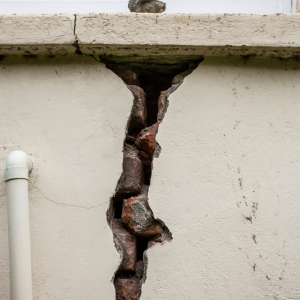
Home inspections in Denver often reveal structural problems that homeowners weren’t aware of. Most home inspection companies in Denver employ inspectors who are trained to observe and report visible conditions but lack the engineering credentials to diagnose structural causes or prescribe remediation. Noble Property Inspections operates differently. As a PE-owned firm with a licensed Professional Engineer on staff, Noble can perform structural engineering evaluations that carry the authority of a professional engineering opinion.
Common findings in Denver home inspections include: Foundation cracks (both hairline and significant), uneven floors and sloping, doors and windows that stick or won’t close properly, cracks in interior walls, especially near corners, gaps between walls and ceilings, and visible foundation movement or settling.
Noble also includes thermal imaging at no additional charge with every Denver inspection. Infrared cameras reveal moisture intrusion patterns that are invisible to the naked eye, identifying areas where water is migrating through foundation walls or beneath slabs before visible damage appears. For Denver’s clay soil environment, early detection of moisture migration is critical because it indicates where future foundation movement is most likely to occur.
If your home inspection reveals major structural defects, you have several options. You can address the problems before listing, price the home to account for needed repairs, or sell to a buyer who specializes in properties needing work.
How to Sell Houses with Foundation Problems in the Denver Metro Area
Selling a house with foundation problems in the Denver metro area requires a strategic approach because different situations call for different solutions. One option is repairing the damage before listing the property traditionally. This can work well if you have the time, financial resources, and patience to manage the repair process. Minor crack repairs may take only a day or two, while larger structural projects involving piers or stabilization systems can take several weeks. However, foundation repairs can be expensive, and there is no guarantee you will recover the full cost when the home sells.
Another option is listing the property as-is while fully disclosing all known structural issues. Colorado law allows homeowners to sell properties with foundation cracks and structural concerns as long as those problems are properly disclosed to buyers. Smaller cosmetic cracks may not significantly affect a sale, but major structural damage can reduce the number of interested buyers and lead to lower offers or longer time on the market. Even so, many buyers are still willing to purchase homes needing repairs if the price reflects the condition.
For many homeowners, selling directly to cash buyers or investors is often the simplest and fastest solution. Investors who specialize in distressed properties understand structural issues and can purchase homes without requiring repairs or financing approvals. Companies like New Era Home Buyers buy homes with foundation damage throughout the Denver metro area and can provide fair cash offers based on the property’s current condition. Traditional sales involving structural problems often face delays from inspections, repair negotiations, and re-inspections, while cash sales can sometimes close in as little as 7 days. If you need to sell quickly due to relocation, financial pressure, or simply wanting to avoid the stress of repairs, a cash sale may be the most practical path forward.
Selling Fire-Damaged Houses in Denver Without Repairs
Fire damage creates unique challenges beyond typical structural issues. C.R.S. § 38-35.7-101 requires sellers to disclose fire damage, structural defects, insurance claims, and known environmental hazards. Even when selling as-is, disclosure is mandatory.
Fire-damaged properties in Denver face specific market realities. Fire damaged properties in Colorado Springs rarely appear on the MLS. Most sell off market through cash buyer networks, investor groups, and direct outreach. The properties that do hit the MLS typically sit for 25 to 50 days, longer than the Colorado Springs average for comparable non damaged homes.
The value impact depends on damage severity. A smoke only property sells for 15 to 20% below pre fire value, while a structure with roof collapse and fire suppression water damage sells for 40 to 55% below.
However, in Colorado Springs, the land beneath the structure carries independent value that sets a floor price regardless of structural damage. This principle applies throughout the Front Range, including Denver.
For fire-damaged properties, selling to specialized cash buyers often provides the best outcome. They understand the complexities of fire damage, insurance claims, and remediation requirements.
Denver Flood Damaged Home Sale Strategies and Solutions
The South Platte River and tributaries run through Denver, and the city’s summer thunderstorms and snowmelt can lead to floods that may cause significant structural damage to homes. Flooding can exacerbate existing foundation problems by weakening foundation walls, accelerating the rate of settling, and creating moisture conditions that promote mold growth throughout the property. Too much water around the foundation can also erode supporting soil, making structural instability even worse over time. Homes damaged by flood usually need extra disclosure and often face obstacles for traditional financing, particularly if structural components or the foundation itself is impacted. Given these hurdles, it’s often the most feasible choice for many homeowners to sell directly to cash buyers, as seasoned investors are aware of the dangers of flood-damaged properties and can typically close quickly without the need for financing contingencies or repair stipulations.
Selling Storm Damaged Roofs and Structural Issues Denver
Colorado’s severe weather doesn’t just affect foundations. Hailstorms, high winds, and heavy snow loads can cause roof damage that leads to structural problems throughout the house. Storm damage affecting your roof and creating structural issues means you’re dealing with a compound problem that traditional buyers often can’t handle.
Roof damage that goes unrepaired can lead to: Water intrusion and structural wood rot, additional foundation problems from poor drainage, electrical system damage, and insulation and energy efficiency problems.
Insurance complications often make these situations more complex. If you’re dealing with insurance claims while trying to sell, the process can become extremely lengthy and complicated.
Cash buyers who specialize in storm-damaged properties understand these timelines and complications. They can work around insurance processes and close on your timeline rather than the insurance company’s timeline.
Quick House Sale Options for Earthquake-Damaged Homes in Colorado
Large earthquakes are rare in Colorado, but small earthquakes and ground motion can cause structural damage similar to that associated with foundation settlement. Moving a house can cause foundation cracks, uneven settling, structural issues, damage to plumbing or utility lines, or problems with the chimney or fireplace. These problems often develop over time and may not be immediately apparent after the first incident, but they can have a serious impact on the structural integrity of your home and its resale value. If your Denver home has natural shifting or ground movement, selling it traditionally can be difficult due to the difficulty of financing and the difficulty of repairs. There are many homeowners who want to sell their home as-is to cash buyers who will purchase it in any condition. This way, they avoid costly repairs, lengthy listing processes, and closing on a timeline that works best for them.
Foundation Repair vs Selling As-is in the Denver Housing Market
This is the big decision most homeowners face with structural damage. Should you invest in repairs before selling, or sell as-is and let the buyer handle it?
The Math on Foundation Repairs
Foundation repair costs in Colorado vary widely depending on the severity of the damage, the specific type of repair needed (e.g., piers, drainage, crack repair), and the accessibility of the affected area. A proper, comprehensive inspection is necessary to provide an accurate estimate. Be wary of anyone offering a fixed price without a thorough assessment.
Here’s what I’ve learned after buying hundreds of houses in Denver: the repair costs are almost always higher than initial estimates, and the timeline is almost always longer than promised. Weather delays, permit issues, and unexpected complications are the norm, not the exception.
Return on Investment Reality
Even if you complete repairs successfully, there’s no guarantee you’ll recoup your investment. The Denver market is competitive, but buyers are increasingly sophisticated. They often assume that repaired foundation problems indicate other potential issues.
The As-Is Advantage
Selling to cash buyers can help avoid losing value due to foundation issues. Cash buyers often specialize in buying distressed properties quickly without lengthy negotiations. This can benefit sellers trying to bypass buyer demands that come with big structural concerns. Cash buyers look at investment potential over current condition, which can be great for quick sales.
Companies like New Era Home Buyers evaluate properties based on their potential value after repairs, not their current condition. This often results in fairer offers than you’d get from traditional buyers who see only the problems.
Cash Buyers for Damaged Homes in Colorado Front Range
The cash buyer market for damaged homes along the Front Range has become increasingly sophisticated. They purchase homes in any condition or circumstance, including probate, structural damage, divorce, foreclosure, etc.
Legitimate cash buyers offer several advantages: They offer flexible closing times on homes, typically ranging from 7 to 30 days. No financing contingencies that could kill the deal. No inspection contingencies that lead to renegotiation. Sell your house in any condition without worrying about any repair.
However, understanding the trade-offs is important. Denver cash house buyers typically pay only 30% to 70% of a home’s FMV. So you leave a significant amount of your home’s equity on the table.
The question isn’t whether you’ll get full market value,you won’t. The question is whether the convenience, speed, and certainty are worth the difference in price for your specific situation.
Evaluating Cash Buyer Offers
Look for legitimate cash home buyers that have a great reputation in the industry. They should have positive customer reviews on platforms like Google and Trustpilot that highlight their transparent processes and fair offers.
Red flags include: Offers that seem too good to be true, pressure to sign immediately, requests for upfront fees, and bait-and-switch offers. Scammers present appealing offers and then change them later, hoping you’ll accept out of desperation. Always verify the terms before you sell your house for cash or accept an offer.
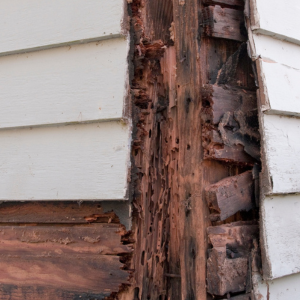
Sell Your Structurally Damaged House Fast in Denver, Colorado
If you’ve decided that selling quickly is your best option, here’s how to maximize your chances of success:
Gather Your Documentation
Collect all relevant paperwork: Engineering reports or structural assessments, previous repair records and warranties, insurance claim documentation, and permit records for any previous work.
Be Transparent About Problems
Proper disclosure protects you from future liability claims. Honesty upfront prevents problems later and actually helps you find the right buyer faster.
Price Realistically
Sellers should know how these issues impact their home’s appraisal and market position. In places like Colorado, foundation damage can lower a property’s market price. This influences how buyers and sellers negotiate. Buyers might use foundation problems to ask for lower prices or insist on repairs before buying. As a result, appraisal values may show these damages, making the valuation process more challenging.
Consider Multiple Offers
Don’t just accept the first offer. Home flippers are constantly looking for investment houses for sale in Denver. You could get multiple offers for your home, driving up its home sale price.
Work with Local Experts
Companies like New Era Home Buyers understand Denver’s unique structural challenges and can provide realistic assessments and fair offers. They’ve seen every type of foundation problem common to our area and can close quickly when you need to move fast.
Selling Inherited Properties with Structural Problems in the Denver Area
When you inherit a property with structural problems, it can create a number of additional challenges, particularly when the full history of the home is unknown. Many inherited homes will have unknown repair histories, hidden damage and deferred maintenance issues beyond just foundation concerns. Outdated electrical, plumbing and HVAC systems will make the property less appealing to traditional buyers. To make matters worse, probate timelines can pressure heirs to settle the estate quickly, making major repairs or lengthy listing processes impractical. In such circumstances, many families prefer to sell to cash buyers who handle inherited properties because they understand the limitations of probate and can provide quicker and easier options without the need for costly upgrades or long waits.
Denver Probate Property Sales with Major Repair Needs
There are many probate sales that will have significant repair demands and these will typically require a specialized approach. Probate rules combined with structural damage disclosures can create a complicated process and most traditional real estate agents are not prepared to handle this. Getting court approval can add significant time to the sale process. And if the home needs major structural repairs, it can be difficult and time-consuming to get approval for the cost of repairs. In many cases, the easiest route is to work with cash buyers who know the probate process. They can work with estate attorneys, make the necessary court filings, and help move the sale along more smoothly without requiring a lot of repairs or lengthy negotiations.
FAQs:
Can You Sell a House That Has Structural Damage?
Yes, you absolutely can sell a house with structural damage in Colorado. You can sell a Colorado home with foundation cracks. Minor cosmetic cracks rarely prevent sales, though significant structural cracks will reduce your buyer pool and price. The key is proper disclosure and finding the right type of buyer for your situation. Cash buyers and investors often specialize in properties with structural issues and can close quickly without the complications of traditional financing.
What Is the 3 3 3 Rule in Real Estate?
The 3-3-3 rule suggests that in a normal market, you should expect your home to sell within 3 months, with 3 showings per week, and receive offers within 3% of your asking price. However, this rule doesn’t apply to properties with structural damage. These problems usually decrease the property’s worth. Homes with structural issues typically take longer to sell through traditional channels and often receive offers significantly below asking price.
What Makes a House Unable to Sell?
Several factors can make a house difficult or impossible to sell through traditional channels: major structural damage that prevents financing, extensive code violations, environmental hazards, or legal issues like liens or title problems. Very few foundation problems are true dealbreakers for the right buyer. Severe structural failure might eliminate traditional buyers, but investors purchase even severely damaged properties. Signs that concern even cash buyers include active sinkholes and condemned status.
What Should You Not Fix Before Selling a House?
For structurally damaged properties, avoid expensive structural repairs before selling unless you have substantial time and capital available. While some very minor hairline cracks might be cosmetic, any crack that is growing, horizontal, or wider than 1/8 inch should be assessed by a professional. Attempting DIY repairs on structural cracks can mask the underlying problem and lead to more significant structural damage down the line, especially with Colorado’s reactive soils. Getting a professional opinion is always best. Focus instead on safety issues and basic maintenance while being transparent about structural problems with potential buyers.
Foundation problems feel overwhelming, but they don’t make your Colorado home unsellable. Thousands of Front Range homes with foundation issues change hands every year. The key is understanding your options and choosing the path that makes sense for your timeline, financial situation, and stress tolerance.
Whether you decide to repair first, list as-is, or sell directly to a cash buyer, the most important thing is making an informed decision based on accurate information about your property’s condition and the current market realities.
If you want to talk through your options with someone who’s seen every type of structural problem Denver homes can throw at you, New Era Home Buyers is here to help. We can provide a no-obligation assessment of your situation and explain exactly what your options are. No pressure, no obligation,just honest answers about what makes sense for your specific situation.
More Ways New Era Home Buyers Can Help
- Sell a House For Sale by Owner
- How to Sell a House with Structural Damage
- Sell a Rental Property with Tenants in Place
- How to Sell Your Old House
- Sell a Fire-Damaged House
- Sell A Hoarder House
- Sell a House During Divorce
- Sell a House in Foreclosure
- Sell an Inherited House
- Sell Your Water-Damaged House
- Selling a House in Probate
- What Happens If I Don’t Pay HOA Dues
- How to Choose The Best Cash Buyers in Your Local Market
- What Happens When You Don’t Pay Property Taxes on Your Home

⚡ Get A Fair Cash Offer For Your Denver House And Close in Days ⚡
"*" indicates required fields