
Sell Your Water-Damaged House Fast in Denver, CO
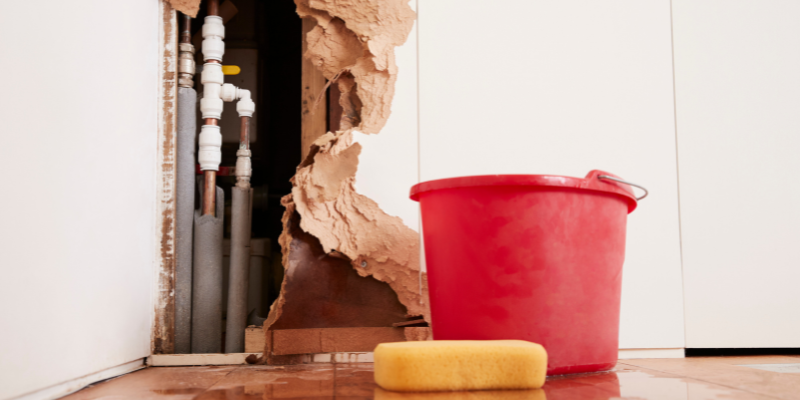
Water damage doesn’t wait for a convenient time to strike your Denver home. Whether it’s a burst pipe in your Highlands basement or flooding from the South Platte, you’re facing a mess that feels overwhelming. Here’s what I’ve learned after buying hundreds of water-damaged properties across the Front Range: you have more options than you think.
I’ll be straight with you. Most real estate agents won’t touch a water damaged property. They’ll tell you to fix everything first, then list it. That advice costs you months and thousands of dollars you might not have. But there’s another path that smart homeowners in neighborhoods like Park Hill, Capitol Hill, and Five Points are taking.
Emergency Water Damage Response and Quick Sale Options Denver
Water damage hits your Denver property, and time becomes your enemy. Mold growth starts within 24-48 hours, especially in our dry climate, where humidity fluctuations can accelerate the process. I’ve seen homeowners in Stapleton and Green Valley Ranch discover that what seemed like minor basement flooding turned into major structural issues within days.
Your immediate response options break down into two categories: restoration or quick sale. Traditional restoration involves water extraction, dehumidification, mold remediation, and repairs that can stretch 3-6 months. During this time, you’re paying mortgage, utilities, and potentially temporary housing costs. The alternative is selling directly to a cash buyer who specializes in damaged properties.
In Denver’s current market, homes typically sell within 19 days on average, but water damaged properties face different timelines. Traditional listings often sit longer as buyers struggle to secure financing for damaged homes. Cash buyers like New Era Home Buyers can close in as little as 2 weeks, eliminating the uncertainty of lengthy repair processes.
Denver’s water pressure issues in older neighborhoods like Washington Park and Cheesman Park can contribute to pipe failures. These systems fail, and homeowners often face water damage in basements and crawl spaces where detection comes late. Quick response becomes critical to prevent secondary damage that multiplies repair costs.
Professional Water Damage Assessment and Property Valuation Denver
When assessing water damage in Denver, you need to dig deeper than what’s on the surface. The buildings in Lowry and Glendale may look only slightly damaged, but hidden moisture in walls, insulation and subflooring can cause far more serious problems. Professional evaluations are generally performed to determine the true extent of the damage, including the structural integrity, electrical systems, HVAC contamination and the potential for mold growth. Denver home values average around $630,000, and prices are close to $375 per square foot, so water damage can have a serious effect on the property value, depending on the extent and location of the affected areas.
This specialized knowledge is also essential when appraising a home that has experienced water damage because traditional appraisers typically don’t have sufficient comparable sales data on distressed homes. Insurance adjusters are looking at replacement costs, while cash buyers and investors are looking at the condition of the property, the cost to repair it and the resale value after repairs. This is helpful for the homeowner who needs to sell quickly, especially when dealing with experienced buyers like New Era Home Buyers who know what repairs really cost, and can make fair cash offers for the property as-is without requiring the homeowner to make repairs or go through the difficult process of listing.
Insurance Claims Process for Water-Damaged Homes in Denver Metro
Navigating insurance claims for water damage in Colorado involves understanding what’s covered and what isn’t. During a 30-year mortgage period, homes are three times more likely to suffer flood damage than fire damage. Yet many Denver homeowners discover their standard homeowners insurance excludes flood damage, which requires separate coverage through the National Flood Insurance Program.
Colorado insurance companies have 60 days to decide on or pay out valid homeowner claims. This timeline can feel endless while you’re dealing with ongoing water damage. Meanwhile, secondary damage like mold growth continues, potentially voiding coverage if not addressed promptly.
The distinction between covered and excluded water damage often comes down to source and direction. Water entering through your roof during a storm is typically covered. Water entering through the basement walls from saturated ground is flood damage and excluded. This technicality has cost Denver families millions, particularly during events like the 2013 Front Range floods.
About 25% of all flood insurance claims come from outside high-risk flood areas. Denver neighborhoods like Wash Park, Hilltop, and even elevated areas in Cherry Creek have experienced unexpected flooding due to storm drain failures and rapid runoff from impermeable surfaces.
Restoration vs Sale Decision Making for Denver Homeowners
Deciding between restoration and sale depends on multiple factors beyond just repair costs. I’ve worked with families in University Hills and Belcaro who discovered that restoration costs exceeded 60% of their home’s pre-damage value. At that point, selling becomes the financially sound choice.
Denver restoration timelines are often longer than homeowners expect due to contractor demand and local permit requirements. Electrical work, structural repairs and major plumbing changes usually require permits from the city. This can mean delays as water damage continues to impact the property. For homeowners facing relocation, financial pressure or the stress of living through extensive repairs, selling may be the more practical solution. Some Montbello and Elyria-Swansea property owners learned that selling fast allowed them to move on instead of being tied up in long and disruptive restoration projects.
The emotional toll of restoration shouldn’t be underestimated. Living with construction noise, dust, and displacement affects families differently. I’ve seen homeowners who thought they wanted to restore their Northfield or Central Park homes change their minds after experiencing the reality of major renovation projects.
Denver Real Estate Market Conditions for Damaged Properties
Denver homes are selling quickly, many in just 47 days, with the median price at $599,000, indicative of a hot market. However, the market conditions for homes with water damage vary greatly. Cash investors and renovation specialists are the main buyers for these properties in need of immediate repairs, as traditional buyers have a hard time obtaining financing. Homes are listed for sale for less than 56 days, which means buyers have more clout than in past years. This change has made cash buyers more attractive to sellers of damaged properties since they don’t have to worry about financing delays, repair contingencies or problems that come up during inspections.
Water-damaged homes are a niche market where savvy investors compete for the best deals based on the repairability and resale value of the houses. Denver’s housing market isn’t without its challenges, even with the consistently high housing demand score. Restoration cost-aware buyers can properly value distressed properties and act quickly when the opportunity presents. Neighborhood conditions also weigh heavily into value retention. Homes needing major repairs may get a bigger discount in slower-growing neighborhoods, but in appreciating neighborhoods such as LoHi and RiNo, property values tend to be stronger even after damage.
Denver Neighborhood Impact on Water-Damaged Property Values
The impact of water damage on Denver neighborhoods can vary wildly, depending on location, flood risk, and general market conditions. Established areas like Hilltop and Country Club tend to hold more of their value. This is because the land values in these zones are higher, making renovation investments more worthwhile. But in transitional neighborhoods, homes could lose even more value after major water damage. Homebuyers might be more reluctant, the selling process could take longer, and offers might be lower for properties near waterways like Clear Creek, the South Platte River, or Sand Creek. This is all due to the properties’ documented flood histories and the requirement to disclose this information when buying flood insurance.
“Elevation also factors into Denver-area homebuyers’ evaluation of water damage. Homes in higher-elevation communities like Green Mountain and Highlands Ranch tend to hold value better because the flood risk is generally lower. At the same time, prospective buyers may be more cautious about houses in low-lying areas close to drainage channels and rivers, due to the higher risk of recurrent problems. The quality of infrastructure matters when it comes to recovering from water events. Neighborhoods with newer storm drainage and utilities in place tend to recover faster than older neighborhoods with deteriorating sewer systems and chronic drainage issues.
Pricing Strategies for Flood-Damaged Real Estate in Colorado
When determining a fair price for a water-damaged property, it’s important to weigh the cost of repairs against the potential value of the home once restored. Many Denver homeowners begin by over valuing their damaged home. This leads to a longer time on the market, multiple price reductions and fewer qualified buyers. The cost-to-cure approach is a popular method for determining a property’s value, as it takes into account the estimated cost of repairs and the value of comparable restored homes in the area. If a $400,000 home in Virginia Village requires $150,000 in repairs, for example, the asking price must account for the cost of repairs, plus investor profit margins and any unexpected costs of renovation.
Current trends in the Denver metro market also affect pricing strategies for distressed properties. Median prices have dropped recently and homes are taking longer to sell, so water-damaged homes are often listed 15% to 25% below comparable undamaged homes to attract cash buyers fast. Seasonality can also factor into pricing, as there may be more buyers out in spring and summer, and some offers may be higher. However, even in the winter months when you are often forced to offer deeper discounts, a quick sale can still make financial sense when the ongoing holding costs, insurance expenses, and continued property deterioration outweigh the impact of a lower sale price.
Legal Considerations Selling Water-Damaged Homes in Colorado
Colorado law mandates that sellers disclose any known material defects that could affect the value or desirability of a property. One of the most important things that must be disclosed is any evidence of water damage. Any history of flooding, water seepage, basement flooding, roof leaks, plumbing failures, mold, or structural damage shall be disclosed to the Colorado Real Estate Commission. Do not hide any past water damage, as it can cause legal problems. If you lie about it you could be sued and held liable for money damages even after the sale is done. Sellers should also provide documentation of repairs, remediation, or restoration to help buyers understand the condition of the home.
Where recurring mold problems, electrical problems or structural components weakened by water damage are not adequately repaired, the potential liability can go beyond disclosure. In such cases, the sellers may still be liable for claims for damages after closing. Team up with experienced cash buyers who are used to buying foreclosed homes and you can put your worries to rest. These buyers know what to look for in a water damaged property and will likely do a more thorough inspection. Taking care of these needs upfront will avoid delays or issues in the closing process. Some title insurance companies may also require special endorsements or additional documentation on properties with a history of significant damage.
Disclosure Requirements Selling Water-Damaged Houses in Colorado
Regardless of when the damage occurred or if repairs were made, Colorado law requires sellers to disclose any and all known water damage problems. The Seller’s Property Disclosure form asks about flooding, drainage problems, moisture intrusion and other defects to the property. There can be serious legal consequences of hiding known problems, including contract disputes and potential liability after closing. Sellers are encouraged to provide buyers with supporting documentation such as repair invoices, insurance claims, remediation reports, and professional inspection results. This is transparency, and it lets buyers see how much damage has been repaired already.
Mold disclosure is especially critical in Colorado, where the dry climate can cause homeowners to underestimate the dangers of mold following water intrusion. Buyers should be informed of the presence of mold, whether it has been treated by professionals or not. Providing mold testing reports and clearance certificates can help reassure buyers and relieve their worries through the transaction. Sellers are also required to disclose whether or not the property is in a flood zone and whether or not flood insurance is required. Even if you’re outside of a flood zone, you should still disclose any history of flooding, because homes outside of these zones may have ongoing insurance requirements that could impact financing and the long-term costs of ownership.
Documentation Requirements for Water-Damaged House Sales in Colorado
If you are buying or selling a home that has been water-damaged, it is important that all parties have the proper paperwork to protect themselves. Keep the following documents: professional inspection reports; repair estimates; contractor invoices; permit paperwork; and insurance claims. A good paper trail shows transparency and helps with disclosure requirements . Buyers want to know the extent of damage and restoration work and it is in their best interest to do so. Before and after photos are very useful as they show the extent of the damage and the quality of the repair. Photos with time stamps of the original condition, the restoration process, and the results of the final repair can provide buyers with more confidence and peace of mind.
Sellers should also preserve professional certifications related to mold remediation, structural repairs, electrical work, and other restoration services completed on the property. These documents show that qualified professionals performed the repairs according to industry standards and local building codes. Since water damage restoration often involves multiple contractors and specialists, keeping organized files with contractor contact details, warranty information, and scopes of work can provide buyers with useful reference material for future maintenance, warranty claims, or additional repairs that may become necessary later.
Denver Home Inspection Issues After Water Damage Events
Water damage inspections done after a flood or other type of water damage require a lot more specialized testing than routine home inspections. Contamination and water can take a long time to disappear after the damage has been repaired. Professional inspectors commonly use moisture meters, thermal imaging cameras and air quality testing to identify problems hidden behind walls, underneath floors or within insulation. Homes in places like Arvada and Westminster, Colorado, should always undergo comprehensive moisture testing, particularly if they have finished basements that are susceptible to mold and ongoing water damage. Electrical inspections are also mandated after major water events since water damages electrical wiring, outlets, and panels, which can create long-term safety hazards.
Structural assessments are crucial because water damage causes a slow breakdown of foundations, floor joists, and load-bearing walls. Expert structural inspections can tell you if the building needs fixing or if it is still safe to live in. In the event of a flood or water intrusion, it is essential to inspect the HVAC system thoroughly. The ductwork, air handlers and filtration systems can collect mold spores, debris and moisture, all of which can be detrimental to the indoor air quality. These specialized HVAC inspections can help reveal these hidden issues to give buyers a better idea of the property’s overall condition before purchase.
Marketing Water-Damaged Houses to Investors in Denver
Marketing a water-damaged home to investors is different than marketing to traditional homebuyers. In Denver, cash buyers are looking for properties that clearly have potential for a good profit and a well-defined scope of repairs. So, accurate estimates of repairs, realistic renovation timelines and complete property information are essential for serious buyers to assess opportunities efficiently. Effective marketing to investors needs to include authentic photography that shows the damage but also the potential of the property. It should also contain floor plans, measurements and examples of similar renovation results when applicable. Transparency is huge because it allows you to share repair estimates, comps, and expected resale values. This approach will not only attract qualified buyers but will also serve as an effective filter for those buyers who are not prepared. Companies like New Era Home Buyers usually prefer vendors who provide complete information up front, which makes the process more efficient for everyone. For properties with extensive damage, direct investor marketing channels like local real estate investment groups, investment-oriented websites, and direct contact with cash buying companies can often produce better results than a standard MLS listing.
Cash Buyers for Water-Damaged Properties in the Denver Area
Cash buyers who specialize in damaged properties offer huge benefits to Denver homeowners with water damage. They know the cost of repairs, permitting requirements in the area, and the market value of restored homes. With their experience, they can analyze the properties and make competitive offers based on real renovation potential rather than letting their emotions get the best of them when they see visible damage. Speed is another big plus. Often, traditional financing falls through on homes that need substantial repairs, and cash buyers are among the few reliable sources for quick sales. Experienced investors can often complete inspections and due diligence in days, not weeks, allowing sellers to move quickly during financially or personally stressful times. And companies like New Era Home Buyers are aware of the value of Denver neighborhoods, contractor costs, and how long it takes to get permits, so they can provide fair as-is offers and also ensure closings go smoothly and quickly for homeowners with tough property circumstances.
Alternative Selling Methods for Damaged Properties in the Denver Market
Denver homeowners with water-damaged properties do have some alternative options to traditional listings and direct cash sales, depending on your goals and timeline. Auction sales can sometimes lead to a bidding war, particularly for homes with good potential for renovation, but they need to be well prepared and set at a realistic reserve price to be successful. It’s an option for properties that might not qualify for traditional mortgages due to condition issues. Sellers with enough equity to finance can find buyers willing to do the repairs themselves. Another flexible option is to enter into a lease-option agreement, which can be attractive to experienced renovators who want to take control of the property while arranging financing for renovations because it allows them more time to obtain financing. Some homeowners also opt for wholesaling, in which investors will purchase the property at a discounted rate and then assign the contract to remodelers. Wholesale deals are generally lower than cash offers, but they can provide a very quick closing with little effort from the seller.
Financing Challenges for Buyers of Water-Damaged Denver Properties
Traditional mortgage financing often hinders the sale of water-damaged properties. Most lenders require a home to be in habitable condition before approving a loan, leaving many conventional buyers immediately on the sidelines. Renovation loan programs such as the FHA 203(k) loan, though available, often have complicated requirements, paperwork and approval processes that many buyers find difficult to navigate. Appraisal problems also complicate transactions since appraisers have trouble valuing damaged properties due to a lack of comparable sales. This often leads to conservative valuations below contract prices and deals falling apart even though buyers are willing to move forward.
The added complication, of course, is the insurance requirements. Most lenders require current home owners insurance in place before the closing. Many insurance companies are hesitant to cover properties that already have water damage or mold problems. This creates a difficult situation where financing cannot proceed without insurance, and insurance may not be available until repairs are made. With all these overlapping barriers, cash buyers are the most reliable option when it comes to deals involving damaged property. Their ability to purchase properties free from lender approval, appraisal contingencies, or insurance requirements provides a level of speed and certainty unavailable with traditional financing, making them an attractive option for homeowners looking for a quick and certain sale.
Timeline Expectations for Selling Flood-Damaged Colorado Real Estate
It is crucial for Denver homeowners to have realistic expectations about the timeline when selling water-damaged properties because the process can vary widely based on the method of sale. The traditional listing process for damaged homes can take 90-120+ days due to limited buyer pools and financing issues, while cash sales usually close in 2-4 weeks after due diligence. Preparation time also is a major factor, as gathering documentation, securing repair estimates and organizing disclosure materials can take several weeks before a property is ready for market. Getting these steps started early will help move the overall transaction along once buyers are identified. Timing is also affected by seasonal factors in Denver’s market, with spring and summer typically seeing more buyer activity, though with more competition from undamaged homes, and winter potentially reducing competition but increasing the time on the market. Sometimes, homeowners need to close within 30 days or less due to foreclosure risk, job relocation, financial hardship, or other urgent situations. In such cases, cash buyers are the most practical option for meeting tight deadlines.
Tax Implications of Selling Water-Damaged Real Estate in Colorado
You should know what tax consequences could affect your total financial result, especially when it comes to capital gains calculations, before you sell a water-damaged property. When determining the adjusted basis in the property, the seller must consider any losses from damage and any insurance proceeds received. Good records of repairs, losses and improvements help you report accurately and support your tax positions. In some cases, casualty loss deductions may also cover uninsured damage or costs in excess of insurance coverage. In general, Colorado follows federal rules for calculating casualty losses, which can help take some of the sting out of a large, uncompensated loss. However, the rules can be complicated and should usually be thoroughly reviewed with a tax professional.
Insurance proceeds can further complicate tax treatment, particularly if a homeowner chooses to sell the property instead of completing repairs. The timing and use of insurance funds may create taxable events that need to be planned for in advance. In addition, depreciation recapture rules may apply if the property was previously used as a rental and depreciation was claimed, potentially increasing the tax liability upon sale. Even in cases where the property is sold at a loss, recapture calculations may still apply, making professional tax guidance essential to ensure compliance and optimize the financial outcome of the transaction.
FAQs:
How Quickly Can I Sell My Water-Damaged House in Denver?
Cash buyers can typically close within 2-4 weeks once they complete their property evaluation. Traditional sales through real estate agents often take 3-6 months due to financing challenges and limited buyer pools for damaged properties.
Do I Need to Fix Water Damage Before Selling My Denver Home?
You don’t have to repair water damage before selling, especially while working with cash buyers who specialize in damaged properties. Many Denver homeowners save money and time by selling as-is rather than investing in costly repairs with uncertain returns.
What’s My Water-Damaged House Worth in Denver’s Current Market?
With Denver’s median home price at $630,000 and $375 per square foot, water-damaged properties typically sell for 15-30% below comparable undamaged homes, depending on the extent of damage and location. Professional evaluation helps determine accurate pricing.
Will Insurance Cover My Water Damage in Denver?
Standard homeowners insurance covers some water damage but excludes flooding from external sources. About 25% of flood claims come from outside high-risk flood areas, so even properties not in designated flood zones can experience uncovered damage.
Can I Sell My House with Mold Damage in Colorado?
Yes, you can sell houses with mold damage in Colorado, but you must disclose the condition to potential buyers. Cash buyers often purchase properties with mold issues and handle remediation as part of their renovation process.
What Neighborhoods in Denver Have the Most Water Damage Issues?
Areas near waterways like the South Platte River, Clear Creek, and Sand Creek face higher flood risks. Lower elevation neighborhoods and those with older infrastructure also experience more water damage from pipe failures and drainage issues.
How Do I Find Reliable Cash Buyers for My Damaged Denver Property?
Look for local companies with established track records and positive reviews from previous sellers. New Era Home Buyers has experience with Denver’s market and can provide references from recent transactions in your neighborhood.
Dealing with water damage in your Denver home doesn’t have to mean months of stress and uncertainty. Whether you’re in Lakewood dealing with basement flooding or in Aurora facing pipe damage, you have options that can get you moving forward quickly. If you want to explore selling your water damaged property for cash without the headache of repairs, we’re here to help. No pressure, no obligation, just honest answers about your options and what makes sense for your situation.
More Ways New Era Home Buyers Can Help
- Sell a House For Sale by Owner
- How to Sell a House with Structural Damage
- Sell a Rental Property with Tenants in Place
- How to Sell Your Old House
- Sell a Fire-Damaged House
- Sell A Hoarder House
- Sell a House During Divorce
- Sell a House in Foreclosure
- Sell an Inherited House
- Sell Your Water-Damaged House
- Selling a House in Probate
- What Happens If I Don’t Pay HOA Dues
- How to Choose The Best Cash Buyers in Your Local Market
- What Happens When You Don’t Pay Property Taxes on Your Home

⚡ Get A Fair Cash Offer For Your Denver House And Close in Days ⚡
"*" indicates required fields