
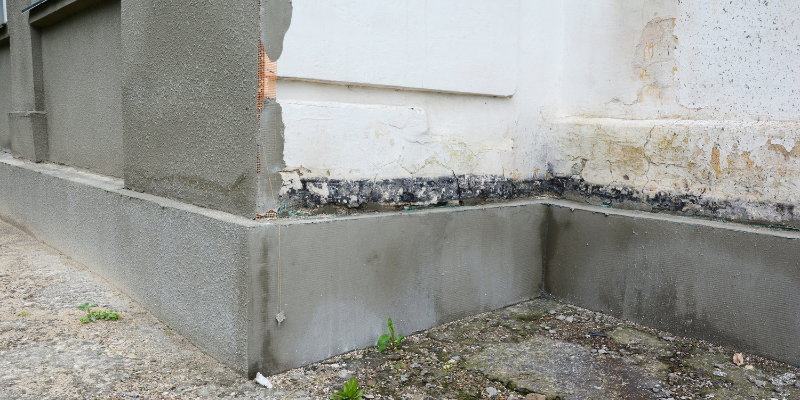
You got the inspection report back. Maybe you suspected something already, or maybe you’re staring at a page that just turned your stomach. Either way, the questions start stacking up. Can you still sell this house? For how much? And what happens if you say nothing?
Foundation problems don’t end a sale. They change the route you take to get there.
Selling a House with Foundation Problems Is More Common Than You’d Think
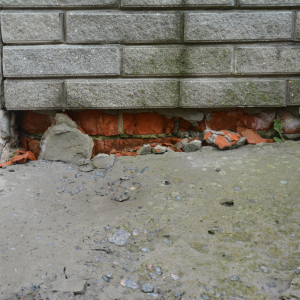
Colorado sits on some of the most destructive soil in the country, and homeowners here sell foundation-damaged homes every week of the year. Your question isn’t whether you can sell. What you need is the route that costs you the least and keeps you clear of a lawsuit later.
As of April 2026, Colorado’s median sold price sat around $547,300, off slightly from the prior year. A property with foundation problems is priced below that. Buyers who understand what they’re taking on still show up.
Most sellers reach for one of three bad instincts: hide the problem, rush a repair, or slash the price and hope nobody asks. Hiding it invites litigation. Fixing it without knowing the scope often costs more than you recover. Slashing the price blindly just hands away value you can’t get back.
A while back, I worked with a family in Thornton carrying two mortgage payments for almost a year after a job moved them out of state. Their basement walls bowed visibly. The garage held a stack of old repair invoices, and they were sure nobody would touch the place. We closed in under three weeks because the bad foundation was never a secret.
Transparency plus a realistic price is what moves a property like this. The rest is paperwork.
What Causes Foundation Problems in Colorado Homes?
Guess wrong about the cause, and it gets expensive fast. Sellers who assume end up paying for the wrong repair, or selling with the real problem untouched, and a lawsuit waiting on the other side of closing.
Expansive clay soil drives most of it. The soil swells and contracts with every moisture change, pressing on foundations, basement walls, slabs, crawl spaces, and framing systems. That soil type is documented all along the Colorado Front Range, and foundation movement turns up routinely during home inspections around the Denver metro area.
Drainage speeds the whole cycle up. A downspout aimed at the wall, or a yard graded toward the home instead of away, keeps the clay soaked. Once moisture reaches under the slab, the clay swells, and the floor lifts unevenly. Basement floors crack. Basement walls bow inward under lateral pressure.
Crawl space homes have their own version of the issue. Without a vapor barrier and decent ventilation, the space stays damp, the soil under the footings softens, and those footings shift even when the surrounding yard is bone dry. Older Lakewood houses show it constantly, built before anyone thought hard about moisture management.
Then there are plumbing leaks. A supply line weeping under a slab goes unnoticed for months while it saturates one patch of soil. One corner of the floor drops, the rest stays level, and that’s when doors quit latching and drywall cracks above the frames.
If a slab leak has already dropped one corner of your floor, New Era Home Buyers can help you sell it as is, no contractor bids required.
How Do You Know If Your Colorado Home Has Foundation Issues?
A seller phoned me after a buyer’s inspector flagged “significant cracking” in a basement wall in Castle Rock. She had no idea the house had a foundation problem. She’d assumed the crack came with the place.
Warning signs hide in plain sight once you’ve lived with them long enough. A door you shoulder open every winter. The basement floor that’s a little off level. That crack along a wall that’s been there “forever.”
Because the clay swells and shrinks with every season, plenty of Denver-area homes show some cracking or movement over their lifetime. A crack by itself doesn’t prove the home has a structural problem. Not every one of them earns a call to a structural engineer, either.
Some signs do deserve a structural engineer’s eyes. Horizontal cracks in a basement wall mean lateral pressure, and that’s the serious kind. Stair-step cracking through brick or block counts, along with floors that slope more than an inch across a room, and gaps opening where walls meet ceilings. A door that sticks all year is telling you something different from one that sticks in humid months. Get a structural engineer out to sort which category the issue falls in before you list.
When you’re weighing structural risk, crack patterns and location matter far more than the sheer presence of cracks. Pay for the structural evaluation before you pay for any repair bid, because the evaluation tells you which repair you actually need.
You can skip the whole sequence if you’d rather not fund it. Contact New Era Home Buyers for a cash offer on the house in its current condition.
Colorado Foundation Repair Costs: What Should You Expect to Pay?
Most sellers underestimate foundation repair costs, and plenty overestimate them, too. You need a realistic number in hand before you can decide whether to fix the foundation ahead of listing.
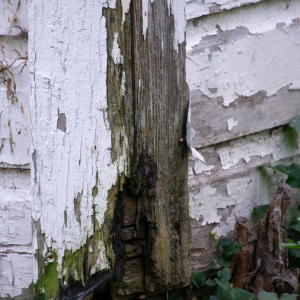
Denver-area foundation repair cost data for 2026 breaks down roughly like this. Minor work, such as crack injection or spot leveling, runs $3 to $9 per square foot of affected area. Piering and basement wall reinforcement cost $12 to $25 per square foot. Full underpinning with excavation reaches $30 to $65 or more. One settling corner on a 1,500 square foot house might cost $6,000 to stabilize, so even a localized issue carries a real price tag. Widespread damage in a 4,000 square foot home can push past $55,000.
Piering works by driving supports under the footing and lifting the foundation back to level. Helical piers suit unstable soil and push piers close to cracks as they lift, with Colorado pricing running about $1,500 to $2,500 per pier, depending on type and installation. Most homes need three to eight of them. Engineering and permits stack on top, and Denver permit fees surprise people who’ve never pulled one.
Pier work from a reputable Colorado contractor usually carries a transferable lifetime warranty on the repair, and that warranty transfers to the buyer. It’s one of the strongest-selling tools you’ll have, because it lifts the ongoing risk off the buyer. Lenders pay attention too. A completed, warrantied repair can clear the way for financing that active damage would have blocked.
Run the math honestly before you commit. Say your Aurora home is worth $450,000 in good condition, and the foundation repair estimate comes back at $40,000. You won’t recover that value dollar for dollar in the sale price, and buyers will still negotiate. A structural engineer’s report paired with a contractor’s warranty sometimes serves you better than finishing the full repair, depending on how far the damage has progressed.
What Does Colorado Law Say About Disclosing Foundation Problems?
Sitting across a kitchen table from a seller, I tell them the same thing every time. Colorado gives you no legal path to hide what you know. None.
State law requires you to disclose adverse material facts you actually know about the property, meaning anything that would change a reasonable buyer’s decision or the price they’d pay. Foundation problems land squarely in that category. Most residential sales here run on the Colorado Real Estate Commission’s standard contract, which pairs with the Seller’s Property Disclosure form that the commission publishes through the Division of Real Estate.
Something counts as material if the buyer’s decision might have gone differently. Past foundation issues count, not just current ones. Work you had done five years ago gets disclosed along with the original problem that caused it.
Skip the disclosure, and you can face claims for nondisclosure, misrepresentation, breach of contract, or fraud. Colorado’s disclosure form asks about expansive soil by name, and state courts have handled buyer lawsuits over exactly that structural omission. Your legal liability doesn’t expire when you hand over the keys. Attorney fees plus the cost of making a buyer whole will dwarf whatever staying quiet seemed to save you.
The commission’s disclosure form and guidance live with the Colorado Division of Real Estate. Use it. Fill it out honestly.
Selling to a buyer who expects the disclosure changes the whole conversation, and if that sounds easier, you can sell your Colorado house faster with a cash offer on the house as is.
Should You Fix Foundation Issues Before You List Your Home?
For years, I told sellers to repair first and list second. I was wrong about that more often than I care to admit.
Repairing the foundation before listing pencils out under narrow conditions. The work has to be finished, under warranty, and the after-repair value has to absorb what you spent, with room left over for buyer negotiation. That combination shows up less often than contractors and agents suggest.
Even a repaired foundation can draw softer offers than you expect, especially when a buyer can find a comparable home with no history at all. Disclosing a completed repair doesn’t erase a buyer’s concern. It documents it.
Two situations genuinely favor fixing the foundation first. A repair cost under about $5,000 is worth clearing, since finishing it drops the issue off the buyer’s inspection report entirely. And if your price depends on a conventional mortgage buyer, some lenders will require the repair before approving the loan. FHA rules call for a foundation that’s stable and serviceable for the life of the loan. An active structural issue can sink a financed sale at the appraisal stage, no matter what your buyer wants to pay.
For larger, messier repairs, selling as-is to a cash buyer or investor tends to net you more. Count the repair cost, months of carrying costs during construction, and the uncertainty around the final sale price.
When the repair offer runs past what the after-repair value can absorb, we buy Englewood homes and houses in nearby cities in that exact condition, so you can skip construction altogether.
What Are Your Options When Selling a House with Foundation Problems in Colorado?
An unrepaired foundation issue puts your home well below the Colorado median. Three distinct paths decide how far below it lands.
List with a real estate agent as-is. You disclose everything, price the property to reflect its condition, and wait for a buyer willing to take it on. Denver metro homes moved quickly through most of 2026, with median days in the MLS running 15 in April and 56 back in January, according to REcolorado. Foundation issues stretch that timeline, sometimes by a lot. Buyers who do write offers will ask for concessions, price reductions, or repair credits.
Repair, then list. Worth doing when the scope is small, and the value recovery is obvious. For major structural work, the cost numbers rarely cooperate.
Sell straight to a cash buyer or investor. New Era Home Buyers fits here for a lot of Colorado homeowners. You sell as-is, skip the agent fees and carrying costs, and close on a timeline that works for you. The offer price will reflect the condition, but you know your net today instead of guessing at it six months from now.
Your timeline, your flexibility, and the true severity of the damage decide which path fits. A structural engineer’s report gives you the facts to choose from.
Are There Buyers Who Will Purchase a Colorado Home with Foundation Issues?
A woman settling her father’s estate reached us on a Thursday afternoon. The Greeley property came with a detached garage full of equipment nobody wanted to move, three months of missed mortgage payments, and an auction date already on the calendar. Two corners had been settling for years with no repair. She closed ahead of the auction and walked away without the debt chasing her.
Buyers for homes with foundation problems in Colorado do exist. They sort into a few groups.
Investors and fix-and-flip buyers take properties in as-is condition all the time. They’ve got contractor relationships, they price repair costs accurately, and they don’t need mortgage financing to close. Their offer will reflect the repair cost, but the sale actually closes, which beats a conventional offer falling apart at inspection.
Cash homebuyers, like the team at New Era Home Buyers, take on properties that traditional buyers walk away from. No lender approval required. No appraiser flagging the bowing basement walls. Just a straightforward offer based on what the home is worth in its current state.
Handy retail buyers exist, too, the ones who swing hammers for a living, though they’re harder to reach through a standard listing. They want a discount. They’re not scared of the work.
What won’t work is chasing a buyer who needs an FHA loan while the foundation problem sits unrepaired. FHA guidelines require properties to meet minimum condition standards, and active structural issues almost always fail that review.
How to Sell a House with Foundation Issues in Colorado
Handle the disclosure early. Under the standard Colorado contract, you deliver the Seller’s Property Disclosure by the deadline written into it, and you update it in writing if anything changes. Sellers who treat it as last-minute paperwork get burned.
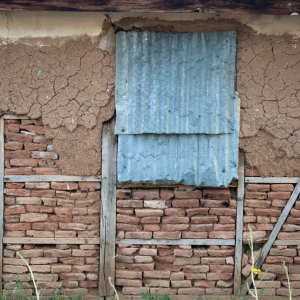
Get a structural engineer’s inspection before you price the home. A general home inspector can flag that something looks wrong. A licensed structural engineer will tell you which category the problem falls into, what repair options exist, and whether a lifetime warranty repair is feasible. That report anchors your price, and it gives buyers enough information to stop imagining worse.
Price for two things: the actual repair cost and the buyer’s perceived risk premium. Buyers add up more than the repair itself. They price in hassle, uncertainty, and the odds that the cost estimate runs low. Your number has to carry both.
Then hand buyers the evidence. Engineer’s report, repair history and invoices, documentation of prior work, and a clear answer on what the warranty covers. The more a buyer knows, the faster they commit. Opacity makes buyers nervous, and nervous buyers walk.
Think hard about who you’re marketing to. A retail listing on the MLS pulls in some investors and some curious retail buyers. Direct outreach to cash buyers and investors, through a company like New Era Home Buyers, puts the property in front of the exact people equipped to move on it.
Frequently Asked Questions
How Hard Is It to Sell a House with Foundation Issues?
Selling with foundation problems is harder than selling a clean property, but Colorado sellers do it every day. The friction comes from financed buyers, since lenders and appraisers can stop a sale mid-stream when active structural issues are present. Cash buyers and investors remove that friction, and a warrantied repair helps with financed buyers. Expect a smaller buyer pool and a slower sale than a comparable Colorado home in clean condition. Price to the real condition, disclose everything upfront, and you’ll find a buyer.
Do Sellers Have to Disclose Foundation Issues?
Yes, absolutely. Colorado law requires sellers to disclose known adverse material facts, including conditions that would sway a reasonable buyer’s decision or the price they’d pay. Foundation problems meet that standard without question, and known structural issues are exactly what the disclosure form asks sellers about. Staying quiet exposes you to misrepresentation claims, breach of contract, and fraud liability that follows you well after the sale closes. Disclose everything you know, including any prior repairs.
Is It a Good Idea to Sell a House After Foundation Repairs?
Sometimes it is, though the math doesn’t always work. A completed repair under warranty makes a home easier to finance and widens your buyer pool. The catch is that repair spending rarely converts to equal value recovery, and buyers may still negotiate a discount over the history. A small, warrantied repair often pencils out. Anything at $30,000-plus is harder to justify unless your after-repair value sits well above the Colorado median price.
How Much Do Foundation Issues Affect Home Value?
No universal number exists because severity and buyer perception drive the discount. A minor issue with a clear, low-cost repair path might cost you a few thousand dollars. Major structural problems sit at the other end: bowing walls, widespread settling, and pier work on multiple corners. Appraisers and agents generally put the hit on visible, unrepaired foundation problems at 10 to 30 percent of market value, depending on scope, location, and what comparable properties are selling for nearby. A structural engineer’s report before you price is the only way to land on a defensible number.
If you’re sitting on a house with foundation problems and you’re not sure what your best move is, reach out to our team at New Era Home Buyers. We work with homeowners across Colorado, from Greeley to Colorado Springs to the Denver suburbs, and we can tell you what a fair cash offer looks like on your property in its current condition. No obligation, no pressure, just a real conversation about your options.